Climate-responsive design
How to Design a Passively Cooled Home in Bangalore
4 November 2025 · 6 min read

Janani S
Architect & Researcher — Sustainability and Inclusive Urbanism
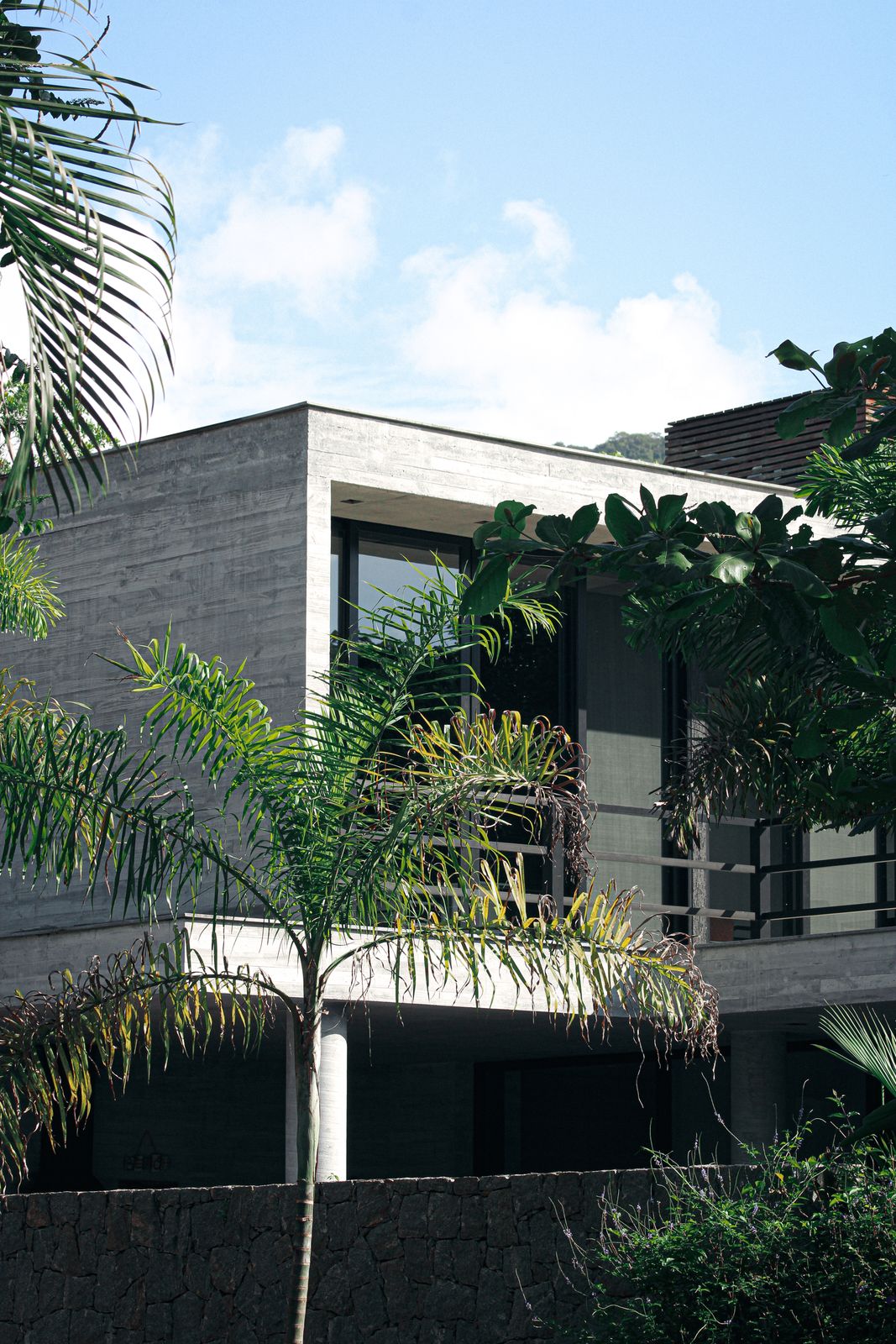
Bangalore sits on the Deccan plateau at nearly 900 metres above sea level. That elevation gives the city cool nights, a long dry season, and a monsoon that rarely turns punishing. It also means that a well-designed home in Bangalore should almost never need mechanical air-conditioning as its primary cooling strategy.
Start with the sun path
The single most consequential decision on any site is the building's orientation. In our latitude, long facades facing north and south are easiest to shade with modest overhangs. Long east and west facades are the hardest to protect — they catch the low, angled sun of morning and evening. We routinely orient bedrooms and study spaces to the east for the softer morning light, and place service functions on the harshest western edge.
Design for cross-ventilation, not for air-conditioning
A room needs at least two openings on different walls to breathe. The prevailing wind through most of the year in Bangalore blows from the west and south-west. We aim for a pressure differential — a lower, cooler inlet on the windward side and a higher outlet on the leeward side — so that warm air is drawn upward and out. Stack-ventilated stairwells and clerestories are our favourite tools.
Thermal mass, in moderation
Exposed load-bearing walls in stabilised earth, stone or fair-faced concrete store the coolness of the night and release it slowly through the day. Combined with cavity walls on the west face, thermal mass keeps the peak indoor temperature two to four degrees below ambient without any active system running.
A well-oriented, well-ventilated Bangalore home stays within four degrees of comfortable through the entire year — without a single mechanical intervention.
Landscape is climate
A courtyard with a water body, a deep verandah under a mature rain tree, a green roof carpeted with native grasses — these are not decoration. They are climatic instruments. Vegetation reduces surface temperatures by ten to fifteen degrees and pre-cools the air that enters the building.
Every Blue Green Studio residence begins with these five moves. Everything else — the material palette, the joinery, the light quality — is layered on top of a home that already knows how to stay cool.
Working on a home, an interior fit-out or an alternative-construction project? We'd love to hear about it.
Take the Quiz