Alternative construction
Rammed Earth in Urban India: Myths and Realities
12 September 2025 · 6 min read

Janani S
Architect & Researcher — Sustainability and Inclusive Urbanism
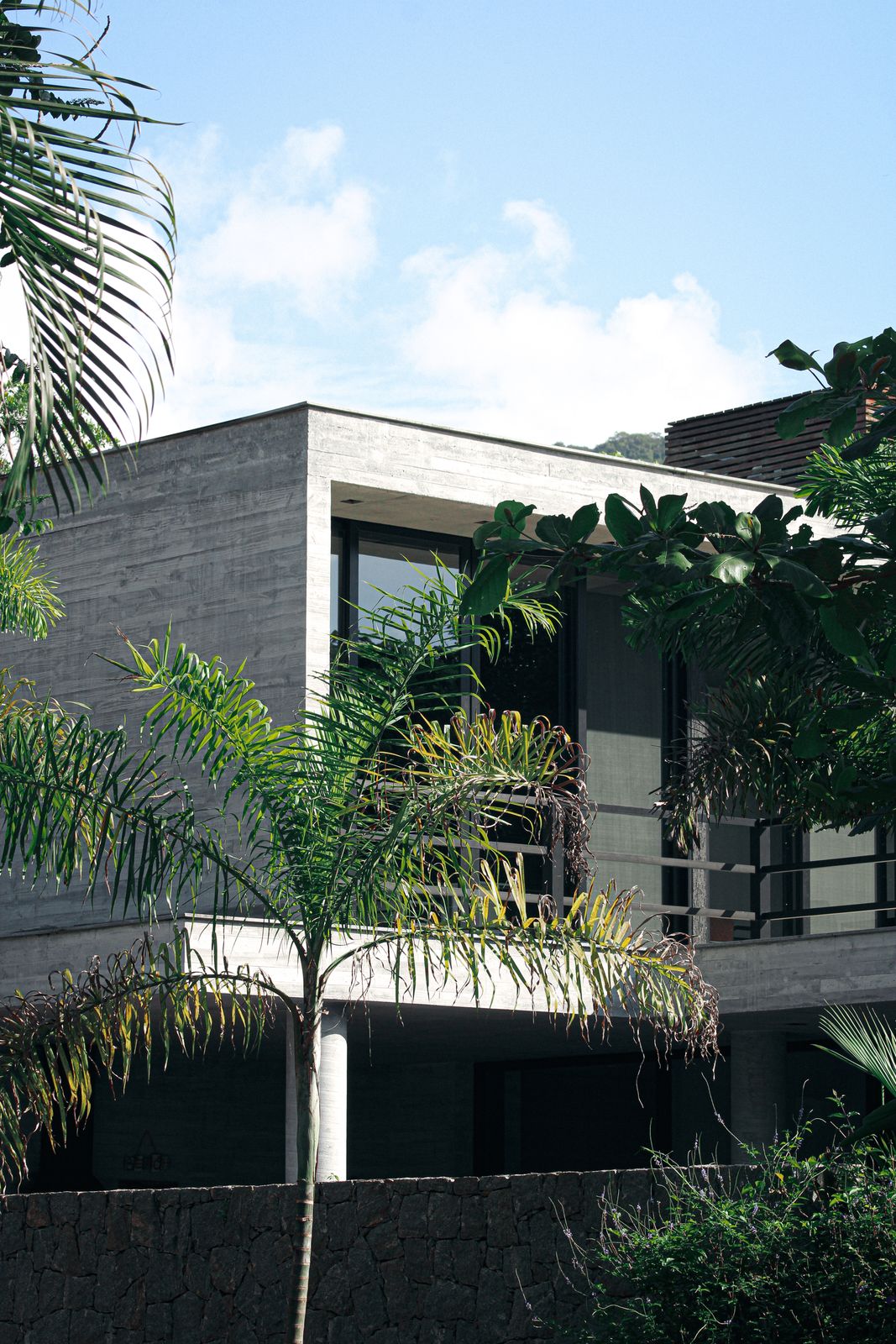
Rammed earth walls are pressed layer by layer into formwork — soil, sand, gravel and a small percentage of stabiliser, compressed hydraulically until they achieve the density of soft stone. Done well, the result is one of the most visually arresting wall systems available anywhere in the world. Done casually, it fails within a monsoon.
Myth: rammed earth is fragile
A properly stabilised rammed earth wall carries compressive strength comparable to conventional masonry. The engineering is well understood; the failures we see in the field almost always trace back to poor mix design, insufficient plinth height above ground level, or inadequate roof overhang.
Myth: it's cheaper
It usually is not — at least not in the first cost. Rammed earth is labour-intensive and requires skilled formwork carpenters. Where it pays back is in operational cost: superb thermal mass, no plaster or paint, and negligible maintenance for fifty years.
Reality: it demands design discipline
Every joint, every window opening, every service penetration must be planned before the first layer is compressed. Retrofits are painful. This is not a system for a design that expects to evolve on site.
Rammed earth rewards restraint. If a project needs frequent changes, use a different wall system — and specify the earth for a garden wall instead.
For clients who want the material honesty and the reduced footprint but not the discipline, we often specify compressed stabilised earth blocks (CSEB) instead. They deliver most of the aesthetic and much of the thermal performance, with the flexibility of conventional masonry construction.
Working on a home, an interior fit-out or an alternative-construction project? We'd love to hear about it.
Take the Quiz