Sustainability
Sustainable Architecture and the Square Feet
18 April 2021 · 2 min read

Janani S
Architect & Researcher — Sustainability and Inclusive Urbanism
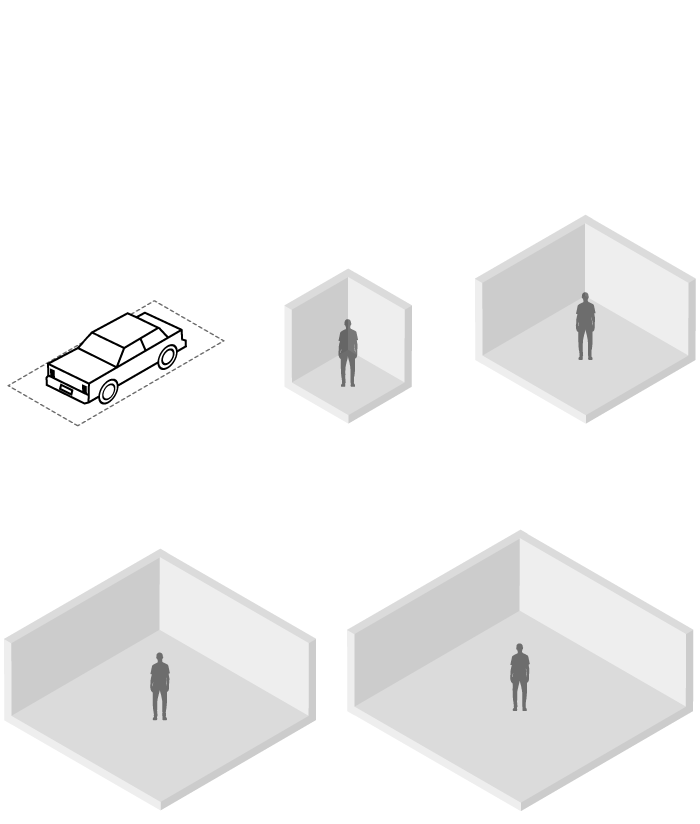
In architecture and its sustainable approaches, we often talk of earth friendly materials, climate responsiveness and lowering energy consumption, water reuse etc. as strategies to mitigate the impact of built structures on the earth. While these are definitely important details, I wonder if we are missing the big picture! So, what do I mean by 'big picture'?
I believe that the most important part of sustainable architecture is optimizing the built up area of the design. More built area naturally translates to increased energy usage in building, maintaining and operating stages, more resource consumption and so on. This brings us to the question of what exactly is the necessary built up space required for a human to live comfortably. Should there be an upper limit on built space per person?
Apart from local bye laws such as minimum setback and FAR, a very important addition would be maximum per person area. This kind of a rule will result in more green spaces within residential communities. In fact, people with larger sites should take advantage of the available space to create a home in close connection with nature rather than increasing their built requirements. Many a times, one constructs a very large residence disproportionate to the number of residents and ends up spending a lot of time and energy just maintaining the carpet area of the house.
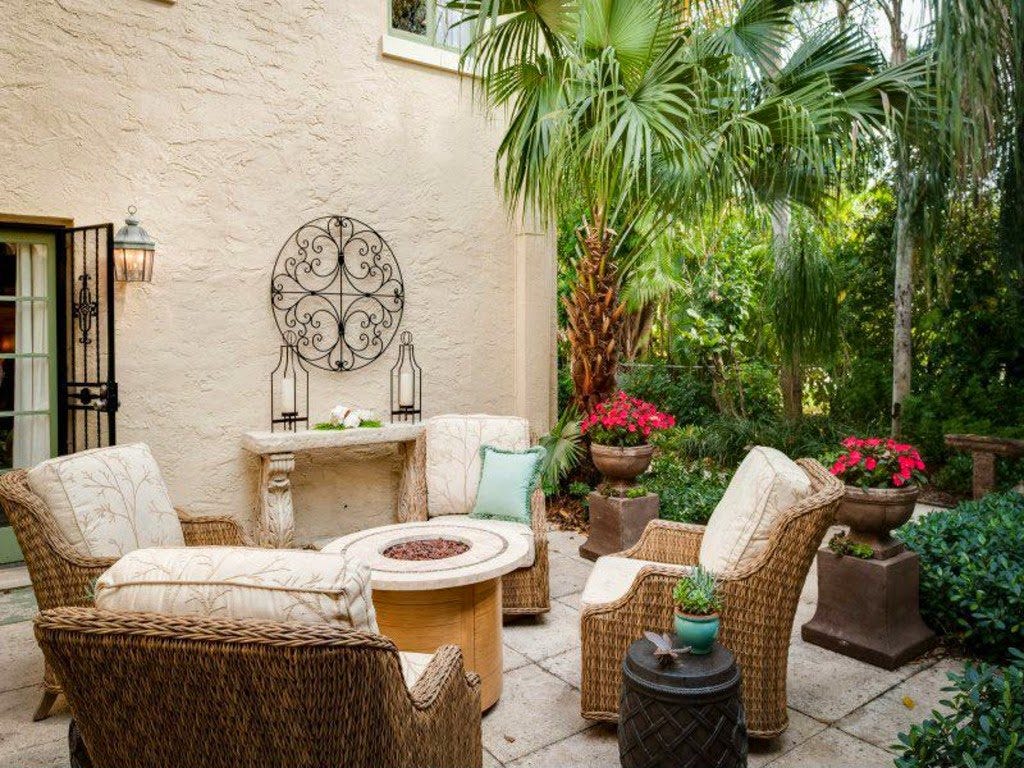
With such an approach, residents can enjoy larger open spaces around their residence. Living close to nature and spending time outside has significant and wide-ranging health benefits according to research from the University of East Anglia. It improves exposure to sunlight and connecting with nature helps to destress. On an average, humans spend over 85% of their time indoors. Here, one must exploit the potential of sustainable design by creating living and dining spaces in semi open or outdoor space instead of completely closed spaces. This can drastically improve our exposure to outdoors and nature and at the same time reduce built up area requirement. Sustainable solutions are often simple lifestyle changes, not fancy and expensive solutions.
Working on a home, an interior fit-out or an alternative-construction project? We'd love to hear about it.
Take the Quiz